Common Scams
Scammers use different tricks to try to get personal information or money. Learning the most common scams can help you stay safe.
Phishing Emails
Phishing emails pretend to be from a trusted company or organization. They often ask you to click a link or provide personal information.
- Urgent messages saying there is a problem with your account
- Requests for passwords or personal details
- Links that look real but lead to fake websites
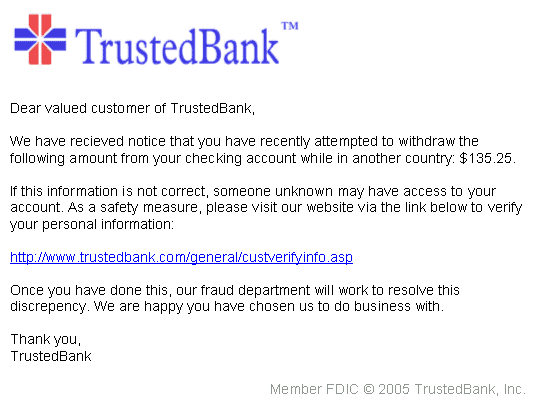
Andrew Levine , Public domain, via Wikimedia Commons
Fake Tech Support
These scams claim your computer or phone is infected and tell you to call a phone number for help.
- Scary pop-up messages saying your device is at risk
- Requests to install software or give someone remote access
- Pressure to act immediately
Package and Delivery Scams
These messages claim there is a problem delivering a package and ask you to click a link or pay a small fee.
- Unexpected delivery notifications
- Links asking for payment or address confirmation
- Messages from unknown senders
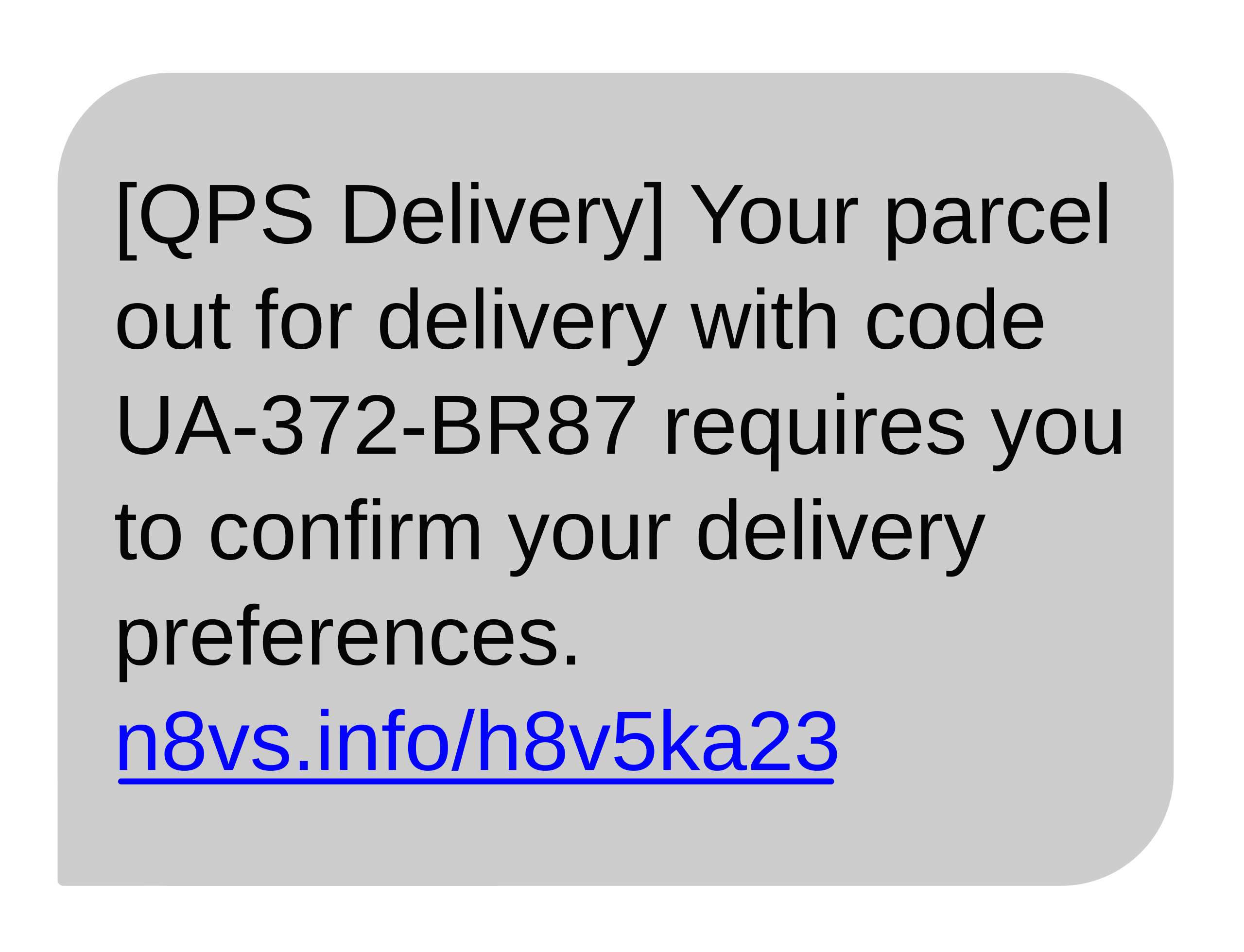
Belbury , CC0, via Wikimedia Commons
Bank or Government Impersonation
Scammers may pretend to be from a bank, Social Security, or another agency. They often ask for money or personal information.
- Requests for gift cards, wire transfers, or cash
- Threats about account suspension or legal trouble
- Pressure to keep the conversation secret
If Something Feels Wrong
You are never required to act immediately. It is okay to stop, close the message, and ask someone you trust for help.